
Professionals · 19 September 2026 · 7 min read
What An SIA Licence Is And How To Get One
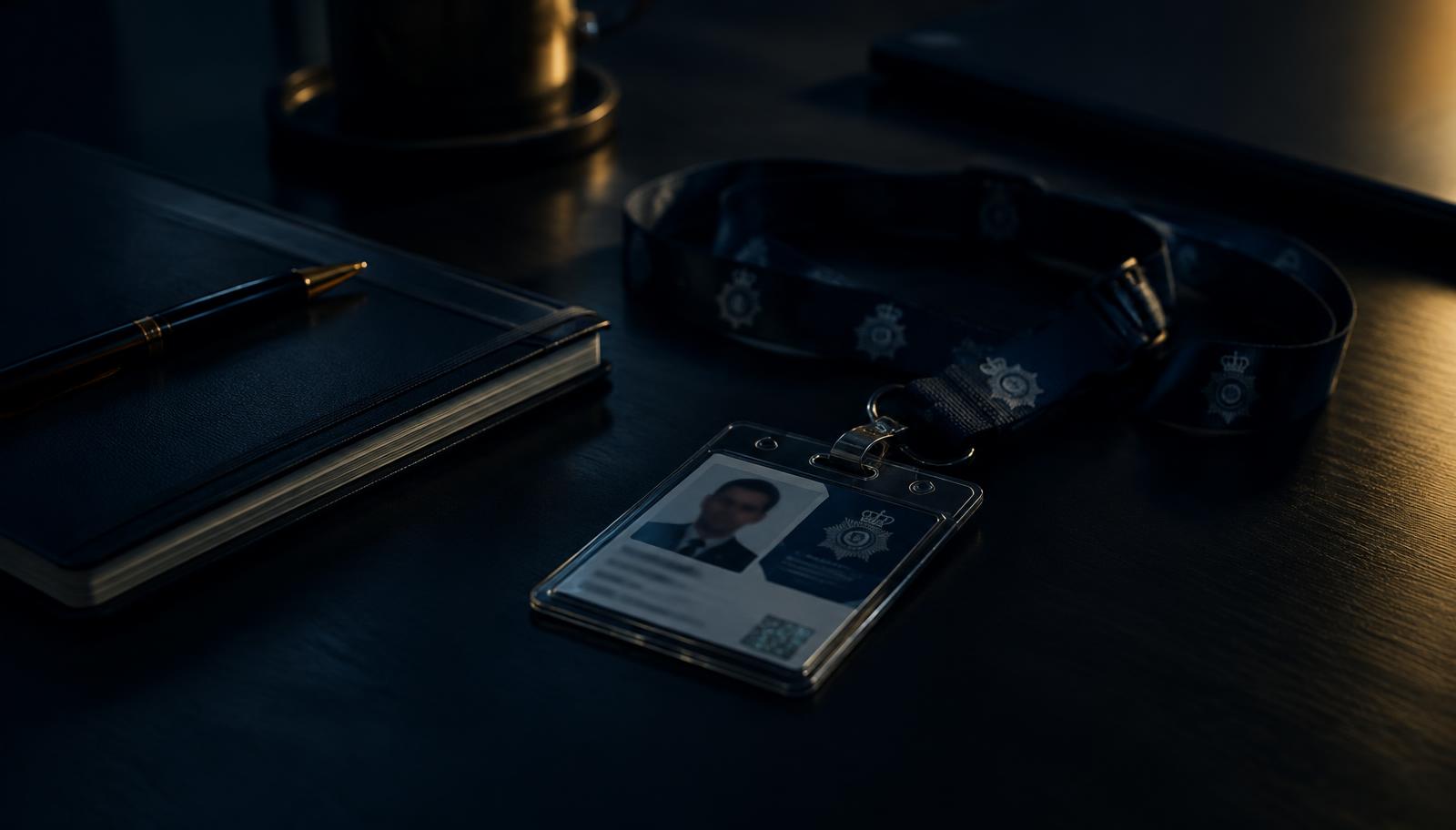
In the UK, most front-line private security work is licensable. If you are guarding premises, working a door, operating CCTV, moving cash and valuables or protecting a person, you need a licence from the Security Industry Authority before you start — not after you are offered the job. The process is not complicated, but people lose weeks and money by buying the wrong course or applying with incomplete documents.
The licence types, and which one you actually need
- Door Supervision — licensed premises, venues, events. The most flexible entry-level badge and the one most people start with.
- Security Guarding — static guarding, retail, corporate and industrial sites.
- CCTV (Public Space Surveillance) — control room and camera operation.
- Close Protection — personal protection work. It also allows door supervision, and it is the licence serious protection work is built on.
- Cash and Valuables in Transit, and Key Holding — specialist routes with their own training.
If you are unsure, start with the licence your intended work requires rather than the cheapest course. A door supervision badge does not cover close protection, and upgrading later means paying for training twice.
What the process involves
You complete an approved qualification with a recognised training provider, including first aid for most routes. You then apply to the SIA, prove your identity and your right to work in the UK, and pass a criminal record check. Applications typically take a few weeks once your documents are complete, and the badge is valid for three years.
Budget realistically. The licence fee itself is only part of the cost — the course, first aid, photographs and identity documents all add up, and training providers vary widely in price and quality for exactly the same qualification.
A criminal record is not automatically a refusal
The SIA assesses offences by type, seriousness and how long ago they happened. Older, minor and non-violent matters are frequently not a bar. Concealment, however, is fatal: the check will surface it, and a false declaration is a much bigger problem than the original conviction. Declare everything and let the assessment run.
What the badge does not do
A licence proves you are cleared to work, not that you are competent. Employers still judge you on experience, presentation, report writing, reliability and how you behave under pressure. That is why two people with identical badges end up in completely different parts of the market within a couple of years.
If you already hold a licence and want work that is not advertised on public boards, you can create a professional profile with us — approved profiles are visible only to approved client organisations, and there is never a fee for professionals.
Join the pool
Create a profile once. Approved profiles are visible only to approved clients.