
Professionals · 26 October 2026 · 7 min read
Personal Protection Officer: What The Role Really Involves
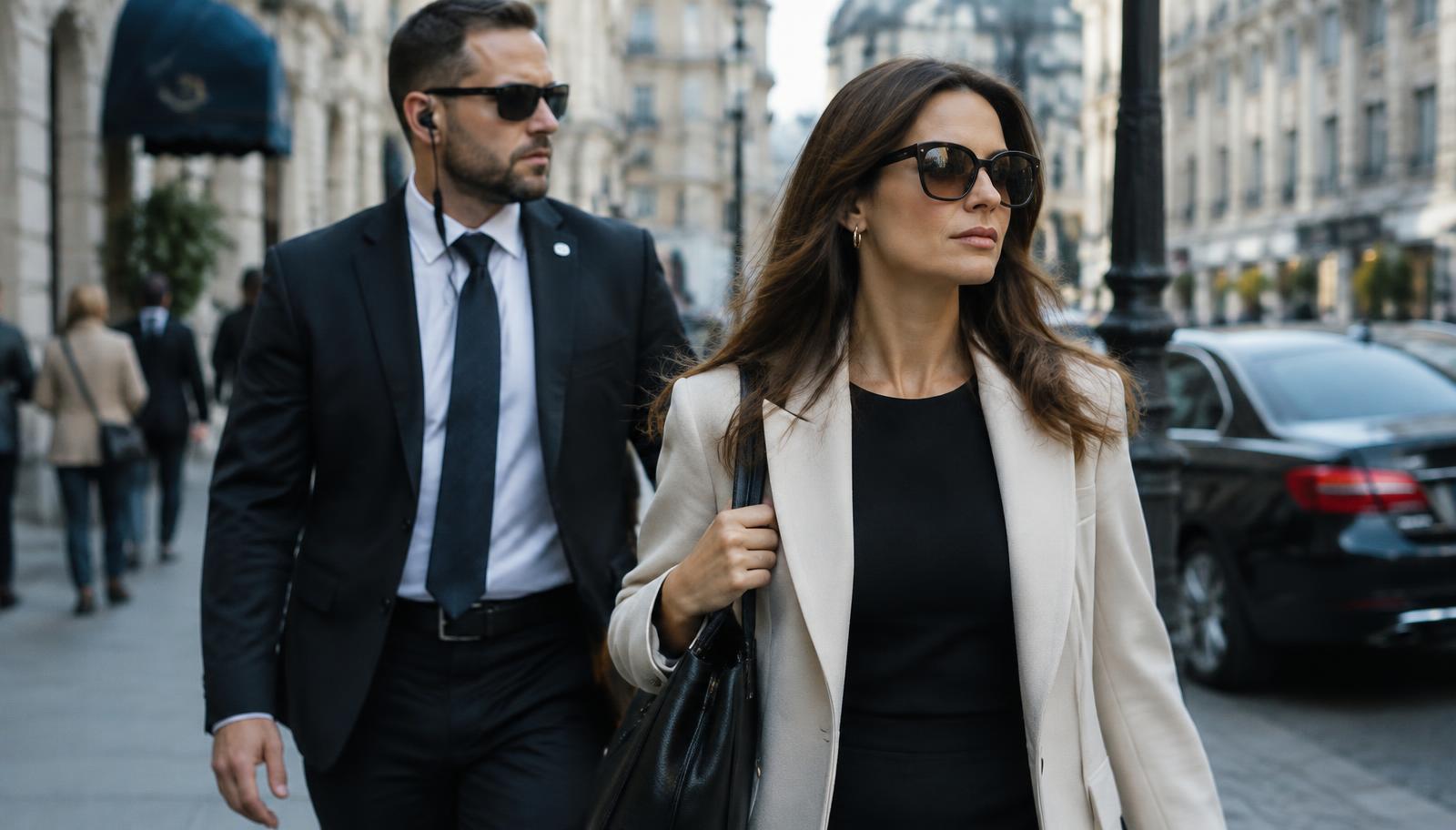
A personal protection officer (PPO) is responsible for keeping one person — sometimes a family — safe as they go about their life. The job title is used interchangeably with close protection officer and bodyguard, but the work is far more about planning than about standing next to someone looking serious.
A normal day
- Checking the day's schedule, routes and venues before the principal leaves.
- Coordinating with drivers, residential teams and venue staff.
- Staying close but unobtrusive — the principal should be able to live normally.
- Adapting when plans change, which they often do.
- Writing up anything unusual at the end of the day.
The skills that matter most
Clients rarely remember whether you were physically impressive. They remember whether you were discreet, punctual, well presented and calm. Good PPOs have strong communication skills, solid first aid, sound judgement and the ability to fit into very different settings — a business meeting, a school run, a private dinner.
Training and licensing
Most countries require a licence for protection work, and serious employers expect a recognised close protection course plus advanced first aid. Driving qualifications and languages make you considerably more useful. Choose courses carefully; some are little more than expensive certificates.
How people get into it
Many PPOs come from military or police service. Others work their way up through door supervision, residential security or event work, building experience and contacts before moving into protection. Either route works if you can show real responsibility.
Read our close protection guide for more detail, or join the OpGrid talent pool to make your background visible to approved clients.
Frequently Asked Questions
Is a personal protection officer the same as a bodyguard?
The titles are often used interchangeably. Personal protection officer and close protection officer usually describe the professional, planning-led version of the role.
What qualifications does a personal protection officer need?
Usually a national licence for protection work, a recognised close protection course and advanced first aid. Driving and language skills help.
Do you need a military background?
No. Many PPOs come from military or police service, but others progress from residential, event or door supervision work.
Join the pool
Create a profile once. Approved profiles are visible only to approved clients.