
Professionals · 24 September 2026 · 6 min read
Hostile Environment Training: What HEAT Courses Teach
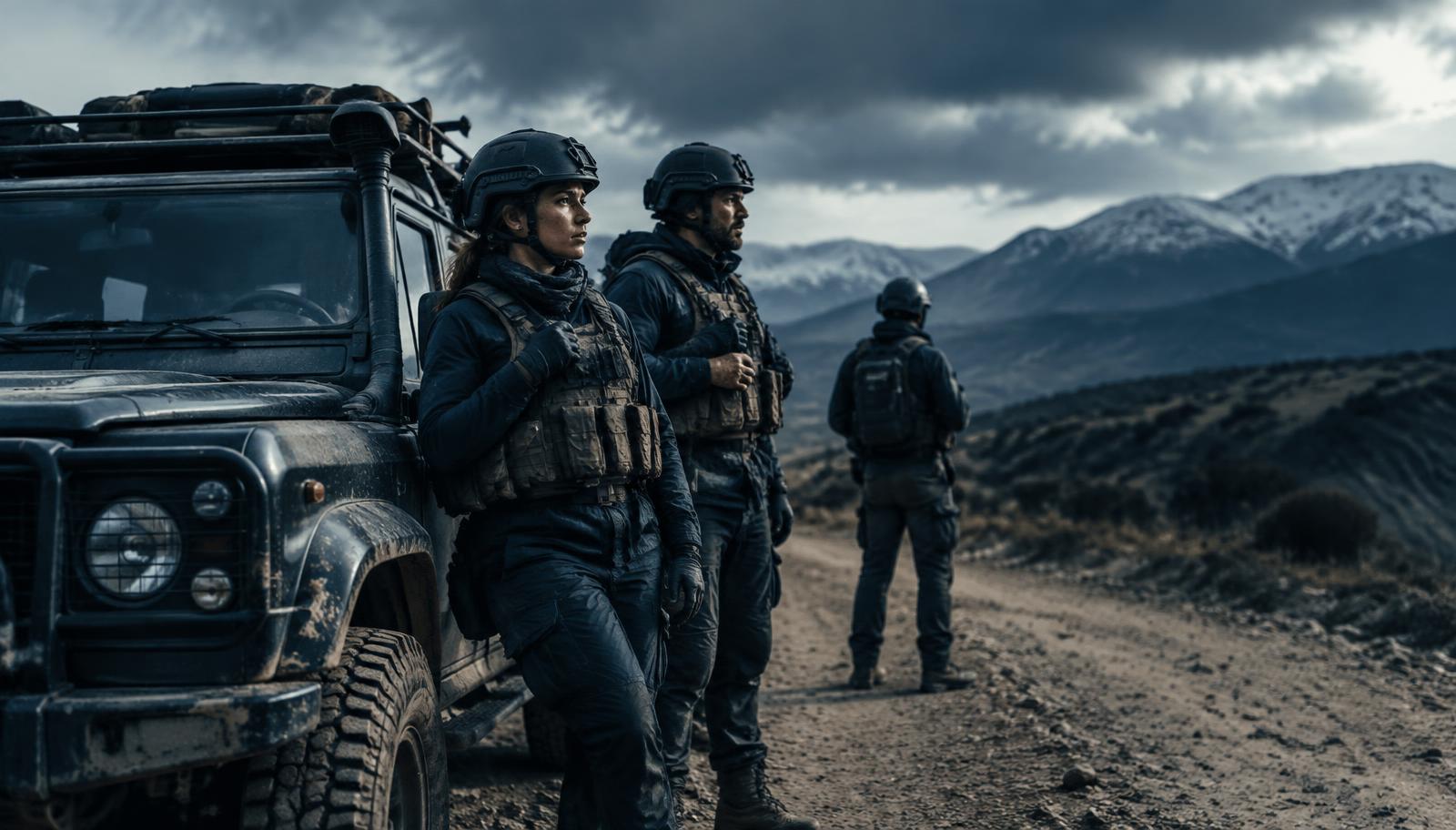
Hostile environment awareness training, usually called HEAT or HEFAT when it includes first aid, is designed for people heading into places where normal rules may not apply — conflict zones, unstable regions, areas with high crime or kidnap risk. Journalists, aid workers and security professionals all take it.
What a course usually covers
- Personal security and situational awareness abroad.
- Checkpoints, vehicle movements and route planning.
- Kidnap awareness and how to behave if detained.
- Trauma first aid, including catastrophic bleeding.
- Communications and what to do when plans fall apart.
Who it is for
Security professionals taking international roles are increasingly expected to hold a recent HEAT certificate. Some clients also require it for anyone travelling with their staff into higher-risk areas.
Choosing a provider
Look for instructors with recent operational experience, a strong medical component and realistic scenarios. Ask how long the certificate is considered current — many organisations want refresher training every few years.
If you hold HEAT or similar qualifications, add them to your profile. For international work, they are often one of the first things employers check.
Join the pool
Create a profile once. Approved profiles are visible only to approved clients.