
Professionals · 12 September 2026 · 6 min read
From Military To Private Security: How To Translate Your Experience
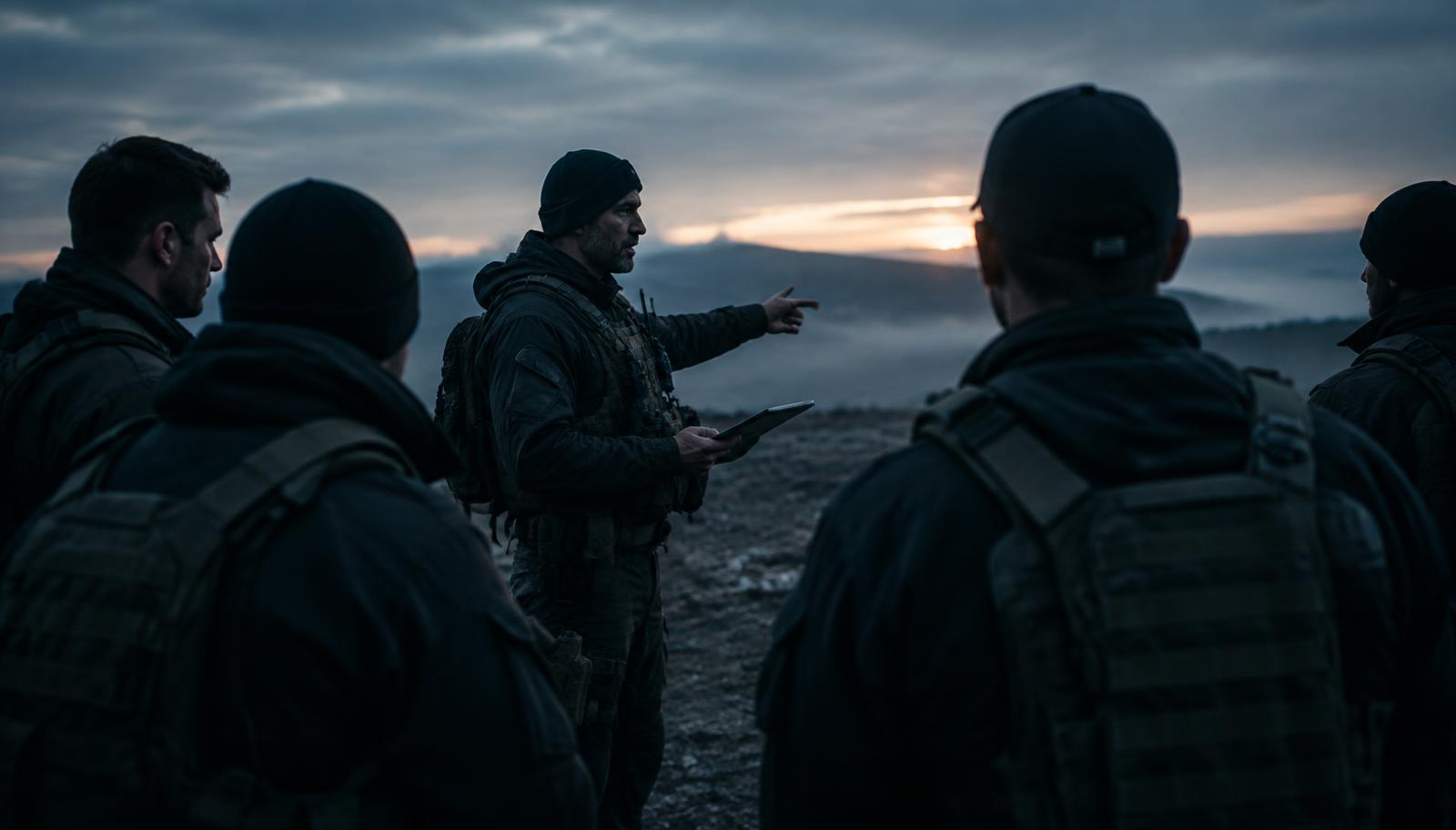
Leaving the military with a strong record does not automatically make you employable in private security. The skills transfer well. The vocabulary does not. Most rejected profiles from ex-service candidates fail for the same reason: the reader cannot tell what the person would actually do on a Tuesday for a commercial client.
Write for someone outside your service
Unit names, trade codes, exercise names and rank abbreviations mean nothing to a corporate security manager or a family office. Replace them with function and scale. Not "Section 2IC, 3 Pl" but "Led an eight-person team on deployed operations, responsible for planning, briefing and equipment accountability." Keep the achievement, lose the shorthand.
Know which of your skills the market pays for
The military skills with the clearest commercial value are narrower than people expect:
- Medical — combat medics and CMTs are in constant demand, and the qualification is easy for a client to verify.
- Driving — advanced, defensive and evasive driving is arguably the most monetisable skill you can hold.
- Planning and briefing — risk assessment, contingency planning and clear written reporting.
- Surveillance and counter-surveillance, particularly from intelligence and reconnaissance roles.
- Communications, technical systems and maintenance discipline.
- Languages and regional experience, especially where a client operates.
Weapons handling and physical fitness matter far less than most people assume, because the majority of private roles are unarmed and the client is buying prevention, not confrontation.
Unlearn a few habits before your first client
Private clients are not a chain of command. They will change plans without explanation, ignore your advice, and expect you to adapt without visible irritation. The officers who struggle in this transition are usually the ones who expect orders to be followed. The ones who do well present options, state the risk once, and then execute the client's decision professionally.
The other adjustment is tone. Private security is a service industry. Courtesy, presentation and discretion around household staff, assistants and children are part of the job, and clients notice them faster than they notice your tactical competence.
Get the civilian paperwork in place
Military qualifications rarely convert automatically. Expect to need the civilian licence for your jurisdiction, a civilian first aid or trauma certificate, a civilian driving qualification and an up-to-date background check. Get these before you start applying — many good candidates lose their first opportunity because the client needed someone deployable this month.
Be careful what you publish
Discretion is assessed from your public footprint. Deployment details, unit photographs and operational specifics on a public profile signal risk to a client whose primary requirement is privacy. Keep the detail in a private, reviewed profile that only vetted clients can see, and keep the public version plain.
Opgrid Solutions was built for exactly this: a private pool where your full background sits behind a review process, visible only to approved clients, so you can be specific without being exposed.
Once your experience is written in civilian terms, put it in front of vetted employers rather than waiting for a job advert.
Join the pool
Create a profile once. Approved profiles are visible only to approved clients.