
Professionals · 15 September 2026 · 5 min read
Bodyguard Or Close Protection Officer: What's The Difference?
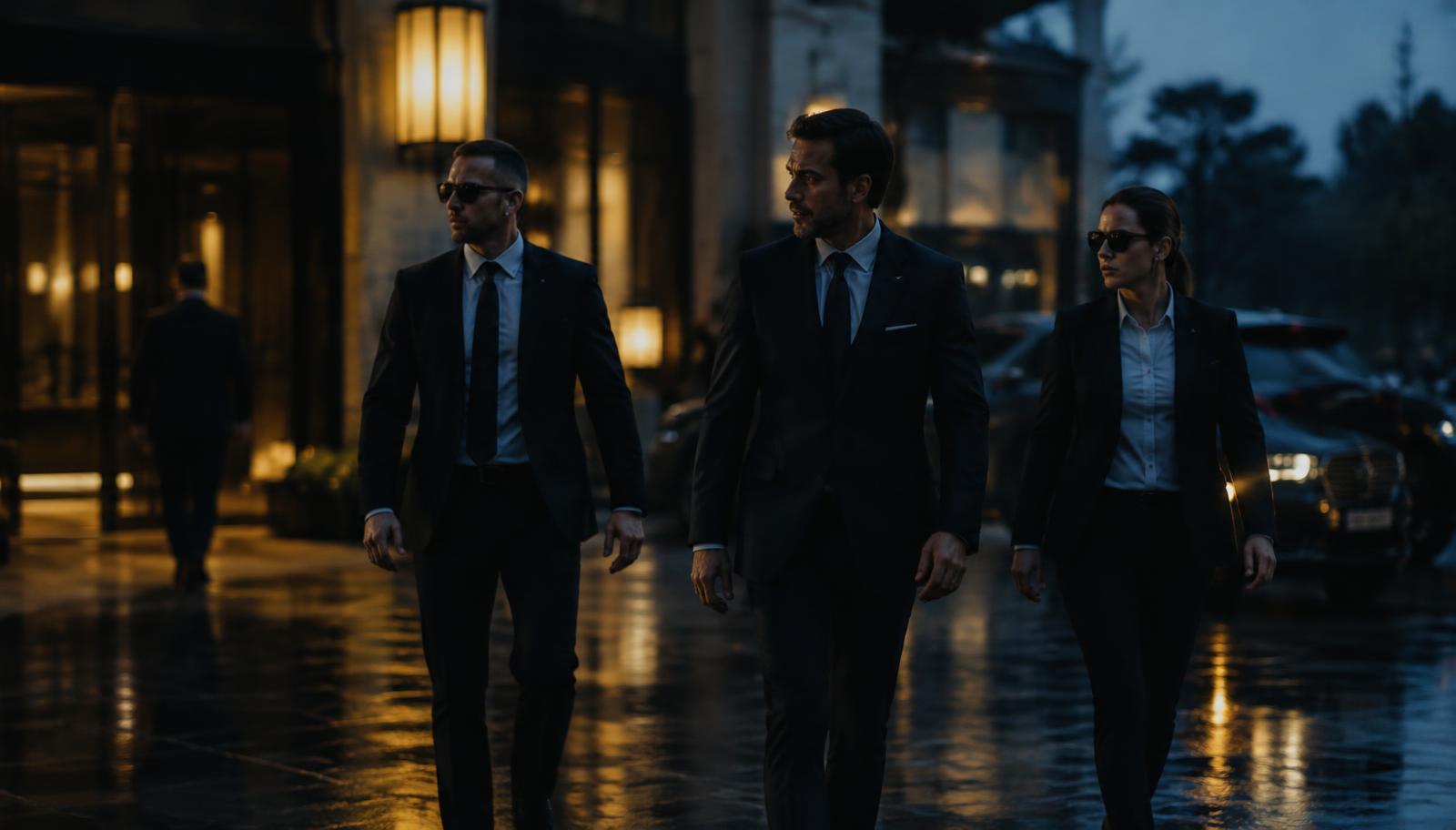
Clients ask for a bodyguard. The industry says close protection officer. Job boards use both. The words point at the same broad function — keeping a person safe — but they describe very different approaches, and the gap matters if you are hiring or trying to be hired.
What people picture when they say bodyguard
The popular image is physical: a large person standing close, visible, deterring trouble by presence and dealing with it by force if it arrives. That model still exists and still has uses — crowd pressure at public appearances, venue work, clear deterrence where visibility is the point.
What close protection actually involves
Close protection is a planning discipline in which physical intervention is the last and rarest step. A competent officer spends most of their time on work the principal never sees:
- Threat and risk assessment for the principal, the family and the schedule.
- Route planning, alternates, timings and traffic patterns.
- Advance work — visiting venues, checking entrances, exits, medical cover and parking before the principal arrives.
- Liaison with venues, drivers, household staff, local police and event security.
- Medical readiness and an evacuation plan for every location.
- Discretion management: making sure the principal's movements are not predictable or publicly visible.
The measure of a good detail is that nothing happens and nobody notices it was there.
Why the distinction matters when hiring
If you hire for physical presence alone, you get deterrence and very little else. Most real incidents affecting high-net-worth individuals and executives are not street assaults — they are theft, intrusion, harassment, stalking, reputational exposure, medical emergencies and road traffic incidents. Those are prevented by planning, driving and judgment, not by size.
Practical guidance for anyone hiring: ask a candidate to walk you through how they would prepare for a specific journey. Someone who answers with advance work, route options, medical cover and comms is a close protection officer. Someone who answers with what they would do if a person came at the principal is a bodyguard in the older sense.
Low profile versus high profile
The useful distinction is not the job title but the posture. High-profile work is intentionally visible: suits, formation, clear presence. Low-profile work blends in — an officer who looks like an assistant, a driver or a family friend. Most private clients today want low profile, because visible security advertises that something is worth protecting.
What this means for your own positioning
If you work in this field, describe yourself the way the market buys. Lead with planning, driving, medical and discretion. Show that you understand the difference between protecting someone and being seen protecting them. That single shift in language separates the profiles that clients call from the ones they scroll past.
If you work on the professional side of this distinction, register as a protection professional — your profile stays private and is only seen by approved clients.
Join the pool
Create a profile once. Approved profiles are visible only to approved clients.